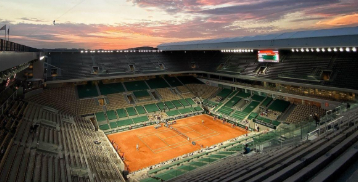
The opening week of Roland-Garros 2026 produced a packed schedule of long rallies, shifting momentum and several memorable performances as both the ATP and WTA draws began taking shape in Paris. While many of the tournament favorites advanced safely through the early rounds, several matches required far greater effort than expected as players adjusted to the demanding clay-court conditions and the slower rhythm unique to Roland-Garros.
Jannik Sinner remained one of the standout performers of the week, moving through his opening matches with impressive control from the baseline. The Italian looked sharp physically and rarely allowed opponents to dictate extended rallies, reinforcing his position as one of the strongest contenders remaining in the draw.
Alexander Zverev also continued his consistent clay-court form, producing several composed performances built around heavy serving and patient point construction. The German appeared increasingly comfortable during longer exchanges and handled pressure moments effectively during tight service games.
Novak Djokovic faced moments of resistance during his early rounds but once again showed why his experience remains invaluable at Grand Slam level. The Serbian managed difficult stretches calmly and steadily raised his level whenever matches threatened to become complicated.
Alex de Minaur delivered some of the week’s most entertaining defensive tennis, chasing down difficult balls and extending rallies deep into physical territory. His movement around the clay courts continued to frustrate opponents and draw strong reactions from the Paris crowd.
Daniil Medvedev attracted attention once again for his evolving relationship with clay. Although the surface has traditionally been less comfortable for the Russian, he showed improved patience and tactical flexibility during several important moments in the opening rounds.
Younger players also continued making headlines across the men’s draw. Joao Fonseca played with confidence and freedom during his first matches, while Ben Shelton brought attacking intensity and emotional energy into several high-tempo contests.
On the women’s side, Aryna Sabalenka gradually built momentum after navigating a difficult opening set in her first-round match. Once settled into the tournament, her power and aggressive court positioning became increasingly difficult for opponents to handle.
Coco Gauff looked solid throughout the first week as she began her title defense. The American’s movement and defensive consistency once again proved highly effective on clay, especially during longer rallies where she repeatedly forced opponents into difficult decisions.
Elena Rybakina quietly produced one of the steadiest starts in the women’s draw. Her clean ball-striking and strong serving helped her move efficiently through the opening rounds, while her calm presence on court continued to stand out.
Iga Swiatek also advanced safely through the early stages of the tournament, showing flashes of the clay-court confidence that has made her such a dangerous presence in Paris over recent seasons.
Marta Kostyuk impressed with several energetic performances, using her movement and aggressive baseline play effectively during physically demanding matches. Amanda Anisimova also attracted attention with her attacking shot-making and willingness to step inside the court early in rallies.
Mirra Andreeva continued to look increasingly composed under pressure, while Naomi Osaka’s return to Roland-Garros remained one of the tournament’s major talking points during the opening week.
The crowds across Paris also played a major role in shaping the atmosphere around several matches, particularly during tightly contested evening sessions where momentum shifted repeatedly between players.
As the tournament now moves toward the second week, the physical demands are expected to increase significantly, with longer matches, heavier pressure and more difficult tactical battles beginning to define the remaining rounds.
Several major contenders remain firmly on course, but Roland-Garros has already shown during the opening week that no path through Paris is ever entirely straightforward.