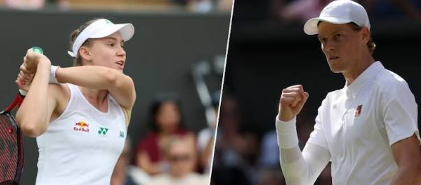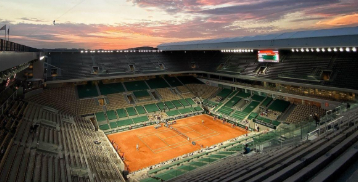
One of the defining trends in recent tournaments is the gradual neutralisation of surface-specific advantages. Traditionally, faster courts rewarded aggressive, first-strike players, while slower courts favoured defensive specialists. In 2026, this distinction is becoming less pronounced. Court speeds have generally slowed, and ball characteristics have become more uniform across tournaments. This has reduced the effectiveness of pure serve-and-attack strategies. Players who rely solely on short-point dominance are increasingly forced into extended rallies, where their advantage diminishes. At the same time, defensive players have adapted by improving their offensive transitions. This creates a hybrid model where most players can both defend and attack effectively. The result is a homogenisation of playing styles, where matches are decided less by surface preference and more by in-match adaptability. This trend is particularly visible in events like Indian Wells, where power players such as Sabalenka are still winning – but not through raw force alone. Precision, patience, and rally management are becoming universal requirements.