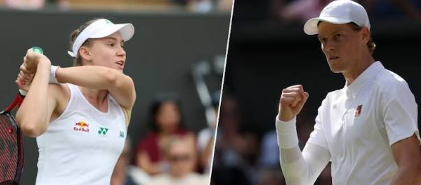
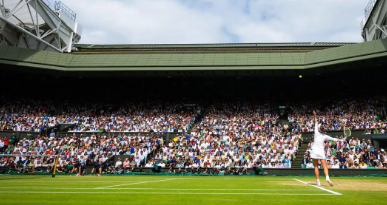
The 2026 season is showing a clear compression across the Top 10. Matches that previously followed predictable patterns – seeded players progressing with minimal resistance – are now consistently disrupted in early rounds. This is not due to a decline in top players, but rather an increase in baseline competence across the field. Lower-ranked players are no longer technically inferior; instead, they operate with similar physical conditioning and improved tactical awareness. The effect is a narrowing of performance margins. Where previously a Top 5 player could rely on serve dominance or baseline superiority, opponents are now able to extend rallies and force decision-making under pressure. These shifts matches from execution-based outcomes to endurance-based contests. In these conditions, even marginal dips in focus or shot selection can result in breaks of serve or lost sets.
This compression is further amplified on slower surfaces such as Indian Wells, where point construction becomes more complex. The ranking system still reflects long-term consistency, but it no longer guarantees short-term dominance. As a result, early-round volatility is no longer an anomaly but a structural feature of the current competitive landscape.